

The Middle Eastern bank is said to invest 268.53 billion rupees ($3.05 billion) in the private lender through a preferential issue of shares in a deal announced on Saturday. This marks the largest cross-border acquisition in the Indian financial sector.
The acquisition deal is the latest in a series of cross-border deals in India this year as the country seeks to attract foreign investment and strengthen the country’s midsize banks. Months earlier, Japan’s Sumitomo Mitsui Banking Corp bought up to 25% of Yes Bank from numerous shareholders.
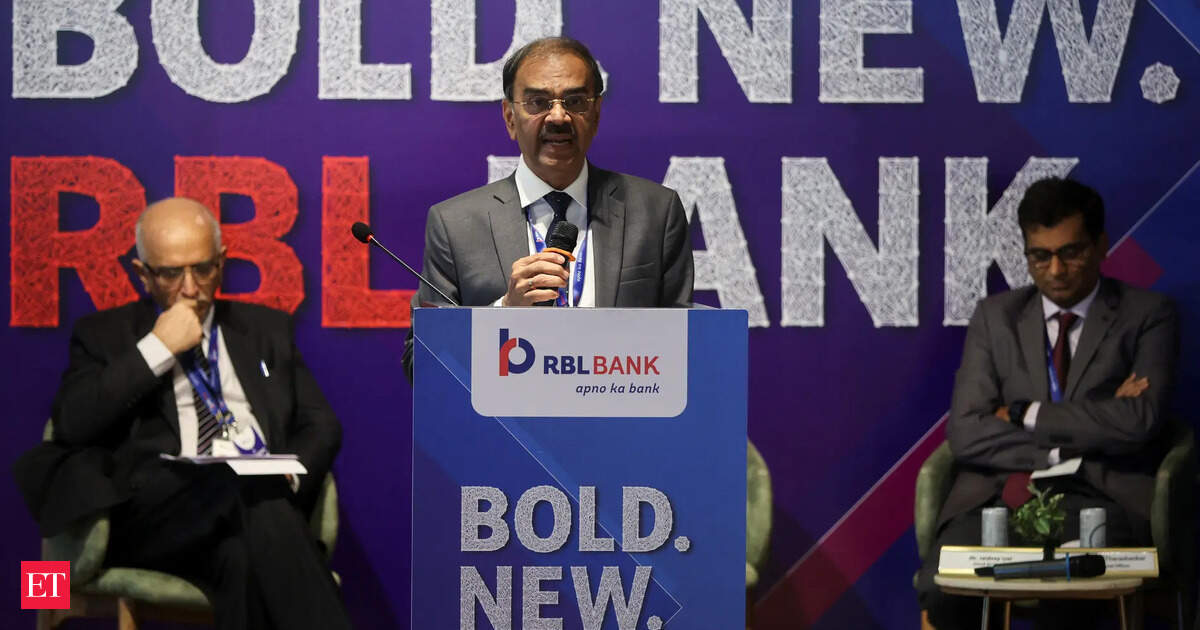
“We aspire to become a large bank post-investment from Emirates NBD,” Subramaniakumar said in a press conference, adding that RBL’s management will remain through the transition period.
RBL Bank hopes to get the first installment of funding in five to seven months, said Jaydeep Iyer, the bank’s chief strategy officer. He also informed that Emirates NBD merger will be effective from April and RBL will become a listed subsidiary of Emirates NBD.
As per its Foreign Direct Investment (FDI) policy, India allows 74% foreign investment in private banks but limits shareholdings of any single foreign institution to 15% unless the regulator, the Reserve Bank of India, grants an exemption. The RBI has informally communicated its backing for the ENBD deal, sources told Reuters last week.Emirates NBD is expected to launch an open offer for additional shares from retail shareholders ahead of a preferential issue, Iyer said. After the acquisition, RBL Bank’s capital adequacy ratio will be 40%, he said.Currently 22% of the bank is owned by foreigners, which will diluted to around 11% post the primary infusion.
The two parties signed an agreement on Saturday to finalise the terms with EY & JPM acting as advisors.
ET had earlier reported that Emirates is preparing a $1.7 billion funding plan to become the largest shareholder of RBL. As per the report, the management of RBL will continue though Emirates will manage 50% of the board. The rest will be independent directors.
The acquisition will expand Emirates’ footprint in Asia and help make a strong play for the high growth India-Middle East remittance market.
As per RBI data, Indian migrants in the Gulf Cooperation Council (GCC) countries account for around 50% of the total Indian migrants in the world. In FY24, UAE singlehandedly contributed half of the $38.7 billion inward remittances from the Gulf countries, while maintaining its 2nd largest source of inward remittances for India, world over.
